CH 01
USB vs. Modular XLR
Evaluate whether all-in-one USB simplicity meets your workflow or if an external XLR interface is required for dual-mic tracking and expansion.
Check: Headphone monitoring latency and USB-C bus power requirements.
Demystifying studio hardware marketing specs to help bedroom vocalists and self-producers select interfaces, mics, and monitors that fit practical, untreated recording spaces.
Ultra-sensitive condensers capture room echo before vocal tone. Dynamic capsules or tight hypercardioid polar patterns frequently reject more ambient bounce.
Low-output dynamic mics demand 55dB+ of clean preamp gain. Budget interfaces nearing maximum gain risk audible hiss without active inline amplification.
Placing 8-inch rear-ported studio monitors directly against untreated corner walls causes artificial low-end build-up. Sizing down to 5-inch units preserves balance.
Evaluate whether all-in-one USB simplicity meets your workflow or if an external XLR interface is required for dual-mic tracking and expansion.
Understand the trade-offs between open large-diaphragm detail and dynamic background noise rejection in rooms lacking acoustic paneling.
Match woofer diameter and rear-port clearance to room cubic volume to prevent boomy reflections from masking vocal frequencies.
Prevent mechanical keyboard thumps and chassis rumble from entering your signal chain through rigid, damped boom arm clamping.
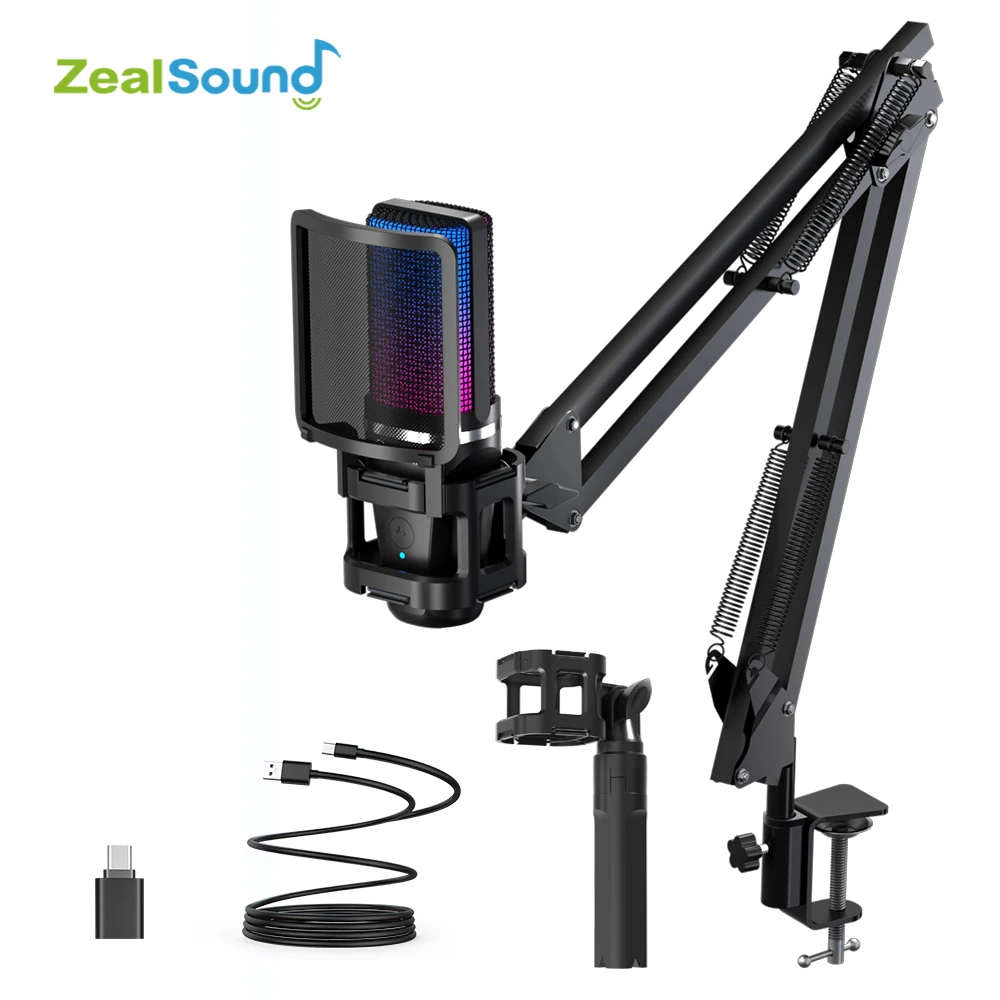
Cut through marketing jargon to choose the right USB condenser microphone for home vocal tracking, voiceovers, streaming, and podcasting.

Navigate budget audio interfaces for music tracking and streaming by comparing input channels, phantom power, and verified specs before buying.
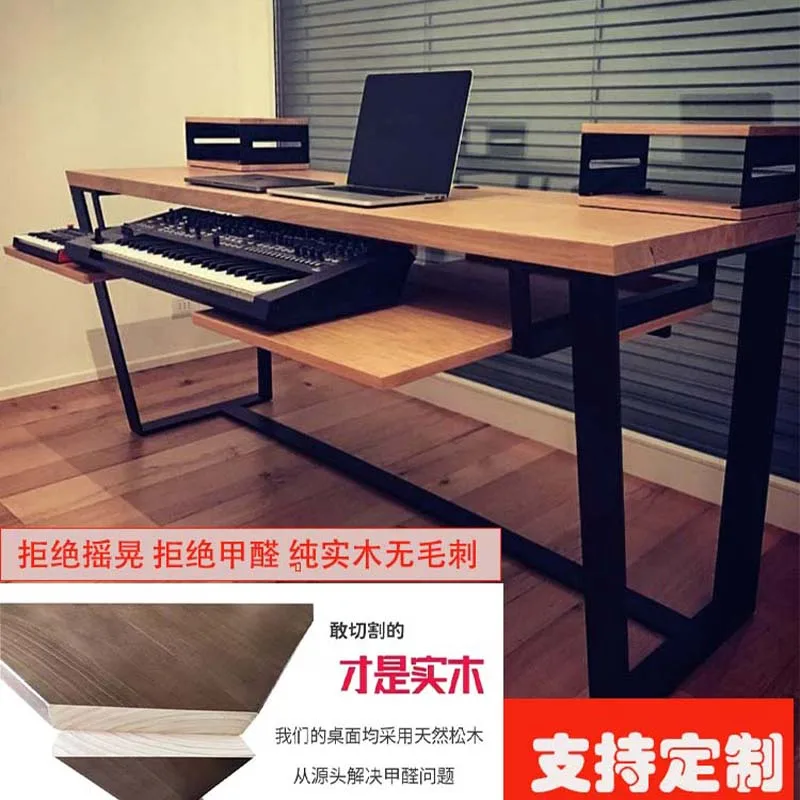
Choose the right music studio desk by analyzing listening depth, keyboard tray size, and integrated features for home recording setups.
We examine manufacturer sheets for gain margins, signal-to-noise ratios, and input impedance to highlight undisclosed constraints.
Every hardware evaluation contextualizes performance inside typical domestic spaces with parallel drywall and ambient fan noise.
We prioritize gear that retains functional utility as your home rig expands, discouraging dead-end connection formats.